

Harnessing Calm: Watercolor Techniques for Beginners
In our fast-paced, screen-saturated world, finding calm and pursuing mindfulness can feel like a daunting task. Yet, immersing oneself in the gentle flow of watercolor painting offers not only a creative outlet but a sanctuary of serenity—a perfect hobby, especially for women seeking mindful retreat.
Why Choose Watercolor for Stress Relief?
Watercolors are renowned for their soothing qualities as the medium naturally encourages a flow state, as pigments blend with water to create unpredictably beautiful outcomes. This nature of watercolor painting can significantly reduce anxiety by promoting relaxation and mindfulness. No wonder it's described as an ideal art therapy practice for mental well-being. Studies show art activities can reduce cortisol levels by up to 75%.
Getting Started: Essential Watercolor Techniques for Beginners
Diving into watercolor painting doesn't require previous experience—this is what makes it so accessible. With the right tools and approach, anyone can experience the joy and calm this medium brings.
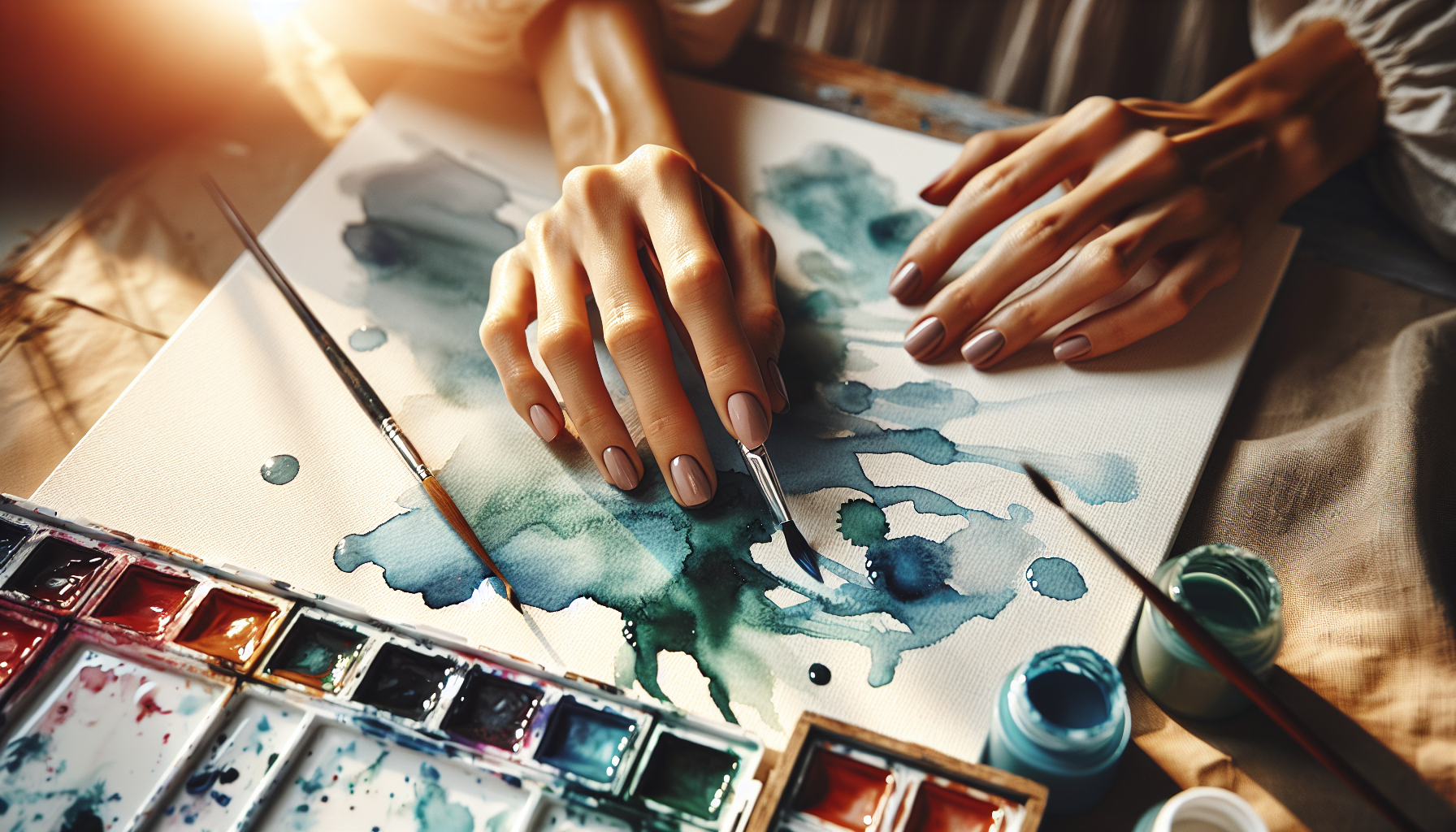
- Wet-on-Wet Technique: Start by wetting the paper before applying wet paint, allowing colors to flow seamlessly into each other.
- Dry Brush Technique: Use a relatively dry brush with little water to add texture and detail over dry paint layers.
- Layering: Paint in thin, translucent layers to build depth gradually, ensuring each layer is dry before adding more.
- Color Mixing: Practice blending primary colors directly on the palette or paper to broaden your color range creatively.
Practical Tips for a Mindful Watercolor Experience
Setting the Scene
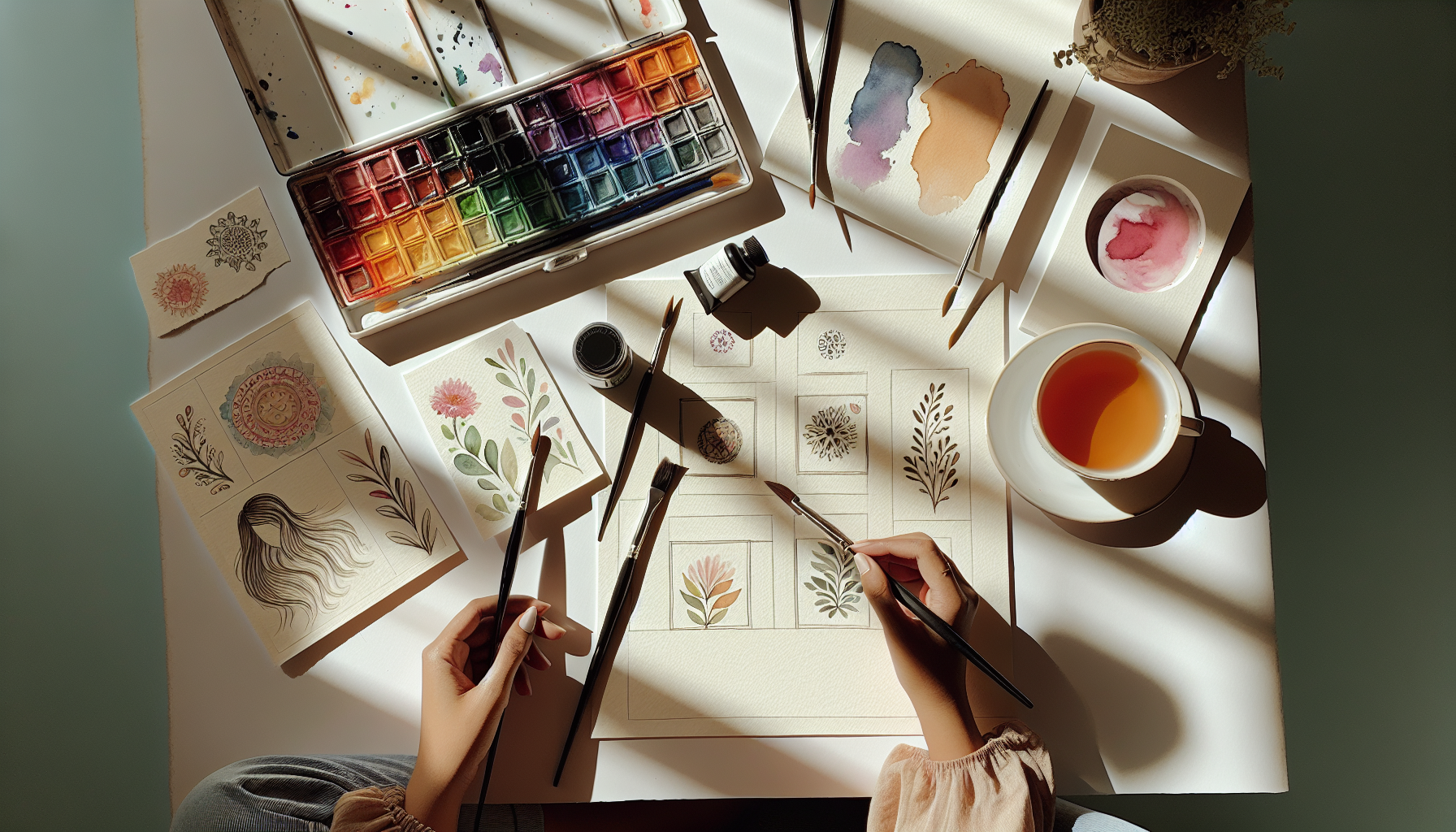
Create a peaceful painting environment. Choose a quiet spot with natural light and surround yourself with calming elements like plants or calming music.
Embrace Imperfection
Watercolor is about the journey rather than the destination. Allow yourself to make mistakes and view them as part of the creative process, which fosters growth and relaxation.
Regular Practice
Just like a mindfulness practice, consistency is key. Dedicate regular, short sessions to see the most benefit from your watercolor sessions, helping establish a calming routine.
The Therapeutic Benefits of Color and Creativity
Colors affect emotions, and using a palette of hues in painting can evoke different moods. Engaging with colors through watercolor painting is not just about creating art; it is a therapeutic form of self-expression. It's an effective way to release and process emotions, particularly in dealing with anxiety, profoundly affecting mental health positively.
Conclusion
Watercolor painting is an enriching, screen-free self-care activity that combines creativity with mindfulness, offering a sanctuary for those seeking mental tranquility. Whether you're a beginner or seasoned artist, the medium's techniques can transform stress into calmness, making it a powerful tool for personal well-being.
Discover the calming power of watercolor with our Complete Watercolor Book Set - includes FREE brushes and colors!